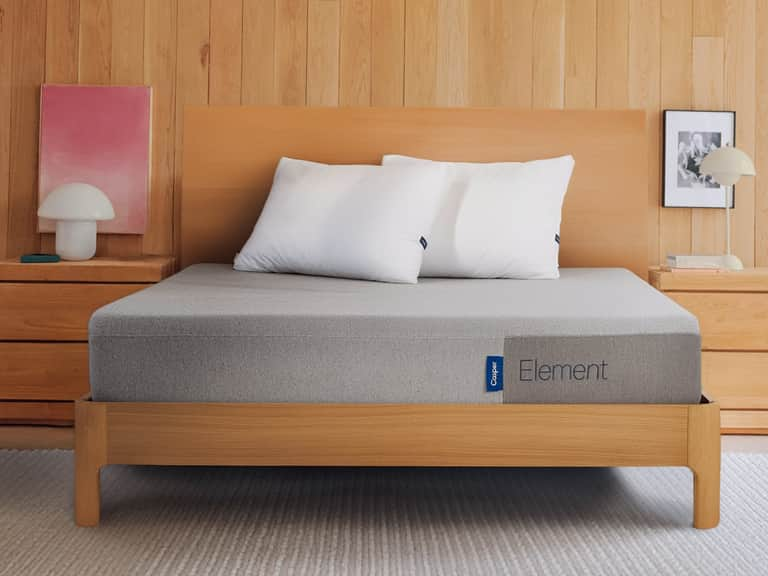
Foam mattresses are a foundational option in sleep technology, offering consistent support and pressure relief through viscoelastic or latex-infused foams. This category highlights diverse foam structures, including memory foam and polyfoam blends, which adapt to body contours to promote spinal alignment and reduce motion transfer for paired sleepers.
Key characteristics to evaluate include density, firmness, conforming behavior, cooling properties, and durability. Higher density foams typically provide greater support and longevity, while advanced formulations or breathable covers help regulate temperature. Understanding these features aids in selecting a foam mattress that matches sleeping position, weight, and personal comfort preferences.
The Element Mattress exemplifies how foam technologies translate into practical benefits: zoned support systems, motion isolation, and pressure relief for hips and shoulders. By combining responsive layers with durable cores, Element-type foam mattresses aim to offer a balanced feel that maintains structural integrity over time and reduces common sleep-disrupting movements.
In addition to primary foam layers, accessibility of sleeper-friendly options such as polyurethane, plant-based or latex-infused foams can influence durability, odor characteristics, and resilience. This category also considers edge support, mattress thickness, and cover materials, all of which contribute to long-term usability and comfort across various body types.
When comparing foam mattress options, it is helpful to align features with use cases such as back, side, or stomach sleeping, as well as considerations for bedding compatibility, pillows, toppers, and latex mattress toppers. By understanding the role of foam density and zoning, consumers can make informed decisions about sleep surface compatibility within the broader bedding ecosystem.
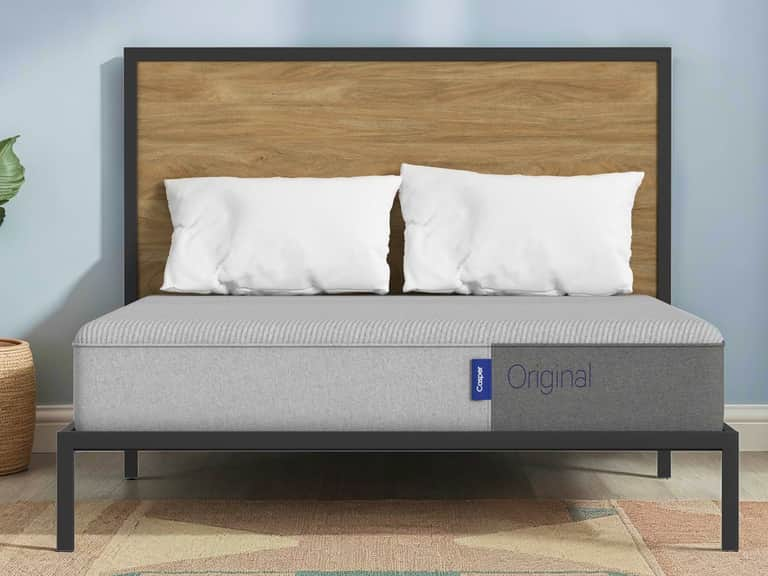 Mattresses