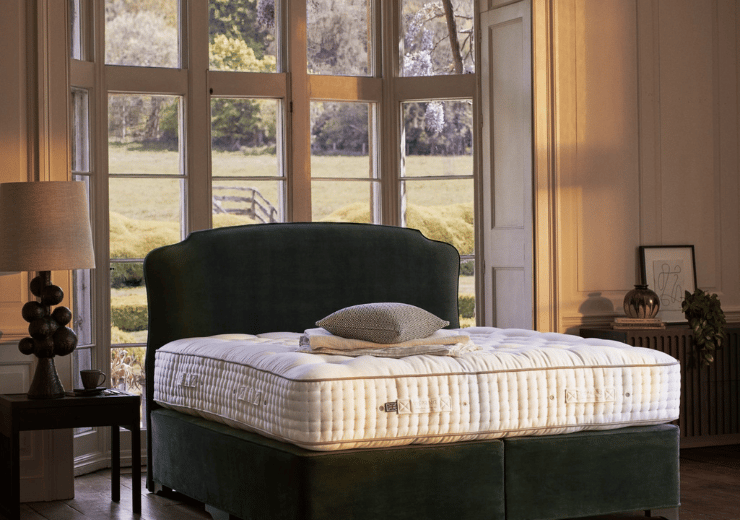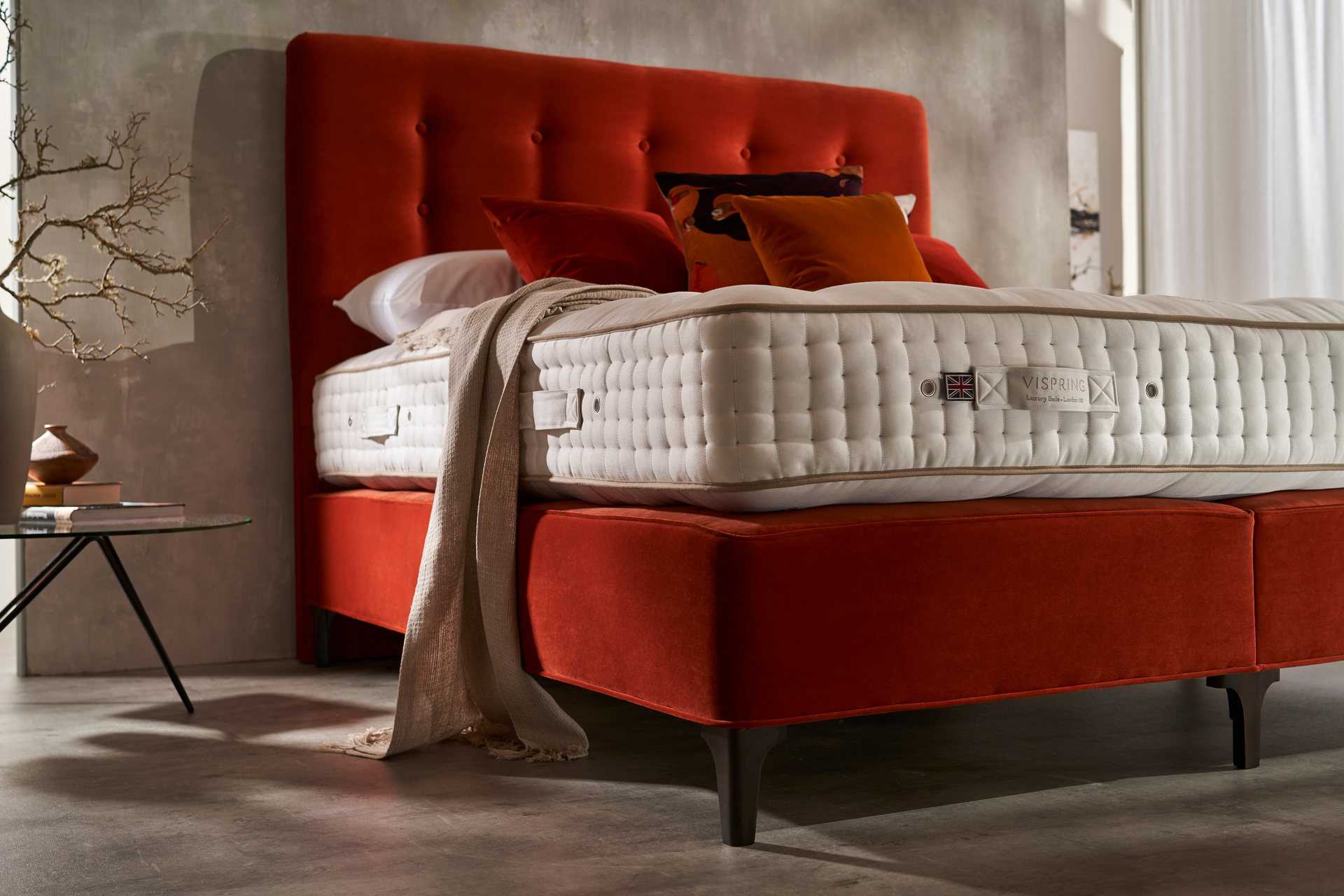
Vispring Signatory Superb
Experience true rest: breathable, temperature-balanced sleep surface with plush softness, stable support, and edge-to-edge comfort that adapts to you night after night.
Latex mattresses offer a balance of contouring and responsiveness with natural materials. This guide expands on the science of latex, the different types and densities, and how firmness interacts with sleep position. We’ll also explore care, certifications, and longevity, and we’ll weave in perspectives from notable thinkers across time to illuminate how far we’ve come in the science of sleep surfaces. Along the way, we’ll spotlight a standout mattress highlighting the luxury of natural fillings: the Vispring Signatory Superb, a benchmark in premium construction and comfort.
Latex in mattresses typically comes from three broad categories: natural latex, synthetic latex, and blended latex. Natural latex is harvested from rubber trees and processed into Dunlop or Talalay foams, both of which influence feel and resilience in distinct ways. Synthetic latex, by contrast, is engineered to mimic the properties of natural latex but may lack the sustainability footprint some shoppers seek. Blended latex sits somewhere in between, combining natural latex with synthetic compounds to modulate durability, cost, and feel.
Natural latex tends to offer a buoyant, responsive feel that people describe as “springy” without the pressure points that can come with some memory foam. It also has excellent durability and natural antimicrobial properties that can contribute to a fresher sleep surface. The density and curing method determine the feel: Dunlop tends to be denser and firmer, while Talalay often yields a lighter, more cloud-like sensation with more consistent cell structure. For sleepers who prefer a balance of contouring and bounce, latex can provide a unique combination of pressure relief and responsiveness that adapts to movement across the night.
In practical terms, the latex you choose affects how it responds to weight, how quickly it recovers its shape after pressure, and how temperature is managed. Latex has natural breathability, which can translate into better cooling for some sleepers, especially when combined with breathable covers and airflow-friendly pocketed spring systems beneath. When evaluating latex options, look for labels that specify the latex type, whether the mattress uses a Dunlop or Talalay process, and any certifications related to organic content, emissions, and safety.
Firmness is a nuanced, subjective sensation that depends on your body weight, sleeping position, and personal preferences. Latex mattresses often resist sinking too deeply, which can be beneficial for spinal alignment, but the density of the latex layer will shape that experience. In general, firmer latex tends to support back and stomach sleepers more reliably, while softer or medium-density latex can be ideal for side sleepers who need contouring around shoulders and hips without sacrificing overall support.
Back sleepers typically benefit from a medium-firm feel that supports the lumbar region while preserving a gentle cradle for the natural curves of the spine. Side sleepers, especially those dealing with pressure points at the shoulders and hips, may prefer a slightly softer latex that accords with those curves but does not compromise overall spinal alignment. Stomach sleepers often benefit from a firmer profile to prevent excessive spinal extension. The key is finding a balance between contour and stability—latex can deliver this through precise density layering and the way air and foam respond to weight distribution.
When shopping, consider layered latex configurations. A common approach is a softer top layer for initial pressure relief with a firmer core, enabling a smoother transition from surface comfort to deeper support. For many sleepers, a combination of a latex comfort layer atop a supportive core—potentially integrated with an additional transition layer—delivers a wakeful night with fewer aches and a more stable spine alignment.
Durability in latex mattresses is linked to the quality of the latex and the surrounding components, including the ticking and the support core. Certification labels help consumers assess content integrity, chemical emissions, and environmental impact. Look for certifications such as GOTS for organic fibers, Oeko-Tex Standard 100 for textiles, and any latex-specific standards that confirm the product’s safety and performance claims. A latex mattress with proper ventilation and a breathable cover is less prone to trapping heat, which contributes to long-term comfort and resilience.
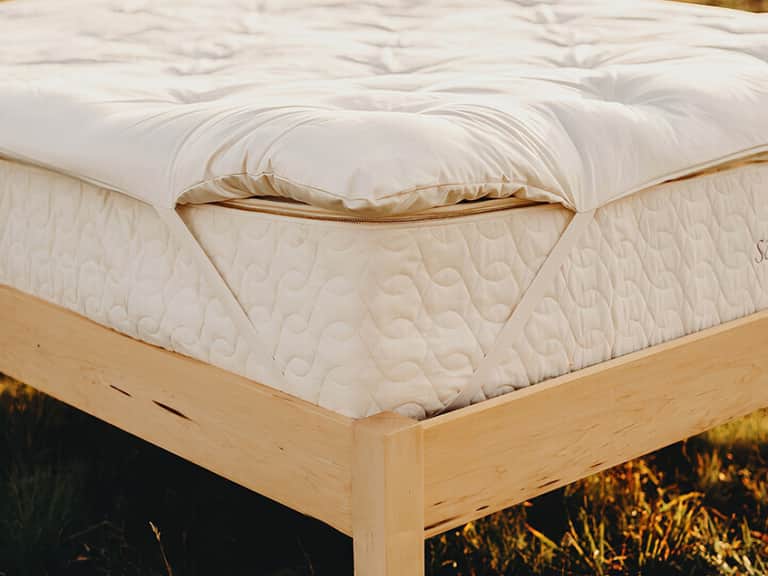
Another practical factor is the mattress cover and edge construction. A robust, breathable ticking that allows air to circulate can complement the natural breathability of latex. Edge support matters too, particularly for couples or those who sit on the edge of the bed. A well-constructed edge helps prevent sagging and maintains a stable sleeping surface near the perimeter, where many people lean or sit during the night.
Maintenance is relatively straightforward: rotate the mattress if recommended by the manufacturer, keep it dry and clean, and follow any care instructions regarding stains or cleaning agents. Proper care helps preserve the loft, resilience, and the microclimate the mattress is designed to sustain, ensuring that the surface remains comfortable for years to come.
Would you like a tailored starter guide to latex and other mattress materials?
Build My Sleeping Surface GuideImages for selected products are shown above where applicable. The Vispring Signatory Superb is highlighted as a leading example of luxury, natural-fill construction.