Bedding • Sleep basics
Choosing Sheets for a Comfortable, Well-Regulated Sleep Surface
Sheets do more than finish the look of a bed. The right fabric, weave and fit can make a mattress feel softer or crisper, help manage warmth, and make the nightly routine more comfortable. Here’s how to sort through the choices without getting lost in thread-count claims.
Published October 30, 2026
A freshly made bed has a particular promise: cool, smooth sheets, a pillow in just the right place and a comfortable landing at the end of the day. But the set that feels wonderful in a store or online may feel different once it is stretched over your mattress and used night after night. Fabric, weave, finishing, room temperature and fit all contribute to that first impression—and to whether the bed remains comfortable until morning.
Choosing sheets is not about finding a universally perfect material. It’s about understanding what matters to you. Do you like a crisp, cool surface or a soft, brushed feel? Do you tend to sleep warm, or are cozy layers part of the appeal? Does your mattress have a topper that makes standard fitted sheets pop off at the corners? A few practical questions can take the guesswork out of shopping.
Below, we break down common sheet materials, explain how weave changes the feel, put thread count in perspective and share a simple way to check fit and care needs. The goal is a sleep surface that feels good to you—not a label that sounds impressive.
Start with how you want the bed to feel
Before comparing labels, picture your preferred sleep surface. Some people love the crisp, freshly laundered feel of percale. Others want the silky smoothness associated with sateen. Linen has a more relaxed texture, while flannel offers a cozy, brushed finish that may be especially appealing in a chilly room. These descriptions are helpful starting points, not guarantees: the quality of the yarn, the finishing process and the way a fabric is cared for can all affect its feel.
Temperature is another useful guide. If you often wake feeling too warm, you may prefer a lighter, breathable fabric and a weave that feels airy. If your room runs cool, a warmer-feeling sheet or seasonal changeover might make the bed more inviting. Sheets can influence the sensation of warmth and moisture on the skin, but they are only one part of the sleep environment. Room temperature, pajamas, blankets and the mattress itself matter, too.
Think about maintenance as well as the first touch. A fabric that feels lovely but requires special care may not suit a busy household. If you want to wash sheets frequently and keep the routine simple, check the care label before buying. Straightforward laundering instructions can be just as valuable as a luxurious feel.
Cotton: familiar, versatile and varied
Cotton is a popular sheet material for good reason: it is widely available, comfortable for many sleepers and made in a range of weaves and finishes. But “cotton sheets” is a broad description, not a complete guide to what a set will feel like. Two cotton sets can differ considerably in smoothness, weight, airflow and durability.
Fiber length is one factor sometimes highlighted on labels. Longer cotton fibers can be spun into smoother, stronger yarns, but the fiber description alone does not tell the whole story. Weave, yarn quality, construction and finishing remain important. It’s sensible to look at the full description and care information rather than treating a single term as a promise of perfection.
For sleepers who want a versatile everyday option, cotton can be a practical place to begin. The best choice depends on the particular construction and the feel you enjoy. If possible, handle a fabric swatch or compare detailed descriptions that explain whether the surface is crisp, smooth, brushed or especially lightweight.
Percale and sateen: the weave changes the experience
When shopping for cotton sheets, percale and sateen are two weave descriptions you’re likely to see. They refer to how yarns are interlaced, and that construction gives each fabric a recognizable character.
Percale is often described as crisp, light and breathable, with a matte finish. Its fresh, cool feel appeals to people who prefer a less silky surface. Sateen, by contrast, usually has a smoother, softer hand and a subtle sheen. It can feel a little heavier or warmer to some sleepers. Neither weave is automatically better: the question is whether you prefer crispness or a more fluid, smooth surface.
Weave can also influence how a sheet feels after washing and use. Follow the maker’s care instructions, and avoid assuming that a high price or a glossy product photograph tells you what the fabric will feel like against your skin. Descriptions of weave and finish are more useful clues than styling alone.
Linen: relaxed texture and a lived-in look
Linen is made from flax and is known for its textured, relaxed appearance. It often feels different from smooth cotton: less polished, more casually rumpled and appealing to people who like bedding with an easy, lived-in character. Many linen sheets soften with use and washing, although the initial texture may not suit everyone.
Because linen can be relatively airy and has a distinctive hand, some sleepers enjoy it in warmer conditions. But the experience depends on the fabric’s weight, finish, room climate and personal preference. “Breathable” is not a guarantee that any one sheet will keep every sleeper cool; it describes a fabric quality, not a temperature-control system.
Linen may also wrinkle more visibly than some other materials. For some people, that is part of its charm. For others, a crisp, smooth bed is the goal. Consider whether you are happy with the care routine and natural texture before choosing it for everyday use.
Other fabrics and seasonal choices
Depending on the range, shoppers may encounter bamboo-derived rayon or viscose, microfiber and flannel, among other options. These fabrics can differ in drape, softness, warmth and care requirements. Read the fiber content carefully: a marketing name is not always a precise description of the material or its manufacturing process.
Flannel is generally brushed to create a soft, fuzzy surface that feels cozy in cool weather. Microfiber is usually made from fine synthetic fibers and may have a smooth hand, though its feel and breathability vary by construction. Bamboo-derived fabrics are processed fibers; check the label for the specific fiber name and follow the care instructions rather than relying on broad environmental or comfort claims.
A seasonal approach can be useful if your room temperature changes significantly throughout the year. You might prefer a lighter set during warm months and a cozier one in colder weather. If you would rather own fewer sets, look for a fabric and weave that feel comfortable across the conditions you experience most often.
Thread count: a number, not a verdict
Thread count—the number of threads counted within a square inch of fabric—is often presented as a shortcut to softness or quality. It can provide some information about construction, but it cannot tell you everything that matters. Fiber quality, yarn construction, weave and finishing all shape the result. A very high number does not automatically mean a sheet will feel better, last longer or suit a warm sleeper.
Be cautious of treating thread count as a competition. Different fabrics and yarns are constructed in different ways, and counting methods can vary. Instead of choosing the largest number on the package, consider the material, weave, stated fabric weight where available, feel and washing instructions. Clear, specific product descriptions are more useful than a headline figure on its own.
If you are shopping online, look for details about the actual weave and fiber content, plus a return or exchange policy that you understand. If you are shopping in person, touching the fabric can help you decide whether you like its texture, though the finished sheet may soften or change slightly with laundering.
Fit can make or break a good set
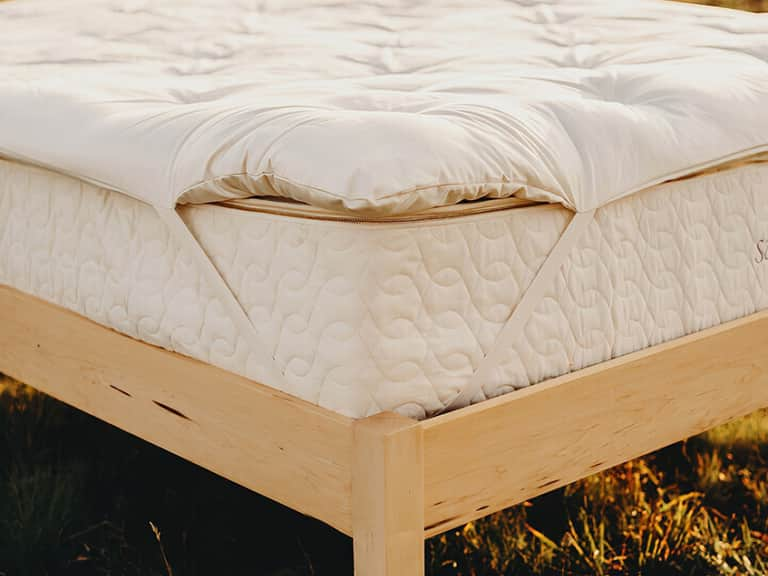
A comfortable sheet that will not stay on the bed can quickly become a nightly annoyance. Before choosing a fitted sheet, measure the mattress rather than relying only on its advertised size. A mattress labeled queen, for example, may have different depth from another queen mattress, and a plush top or added layer can increase the total height.
Measure from the mattress base to its highest point, including any topper or pad that will stay in place beneath the sheet. Then check the product’s pocket depth or maximum mattress depth. If the listed range is unclear, consult the manufacturer or retailer before ordering. A fitted sheet that is too shallow may pull loose at the corners; an excessively generous fit may feel baggy or shift during the night.
Elastic construction matters, too. Some fitted sheets have elastic around the full perimeter, while others use it only at the corners. A snug, well-made fit should hold securely without straining the fabric. If you have an adjustable bed, check whether the sheet is designed to accommodate movement and whether its dimensions suit your mattress configuration.
Flat sheets should also be generous enough for the way you make the bed. If you like to tuck deeply or share covers, dimensions may matter as much as the fitted-sheet pocket. Check the size chart for every piece in a set; not all packages include the same items or proportions.
Care labels help protect the feel
Even well-made sheets can lose some of their appeal if they are washed or dried in a way that conflicts with the care instructions. Check the label before the first wash. Water temperature, detergent guidance and drying recommendations can vary by fiber and finish. Following those directions can help preserve softness, color and overall condition.
Washing sheets regularly is a familiar part of bedroom upkeep, but the right schedule depends on household routines and personal needs. Use a washing method that fits the fabric and your machine, and avoid overcrowding the load if you want bedding to rinse and move freely. If a set needs delicate handling or line drying, decide whether that is realistic for your routine before purchasing.
It can be helpful to own more than one set so there is a clean replacement available on laundry day. Rotating sets also means one set does not receive all the wear. Store spare bedding in a dry, clean place, and make a note of any care instructions that differ from your usual laundry routine.
A simple way to compare sheets
When two sets look appealing, compare them using the same practical questions. This keeps the decision grounded in your needs rather than in advertising language.
- What is the fiber content? Look for a clear breakdown, especially if the fabric is a blend.
- What is the weave or finish? Terms such as percale, sateen, brushed or flannel offer clues to texture and warmth.
- How does it suit your sleep temperature? Consider your room, other bedding and whether you tend to feel warm or cool.
- Will it fit the complete bed setup? Include the mattress, topper and pad when checking depth.
- Can you manage the care instructions? A set is easier to enjoy when its upkeep fits your household.
- What does the set include? Confirm the sizes and number of pillowcases, fitted sheets and flat sheets.
You can also keep a small note on your phone about sheets you have liked or disliked. “Too slick,” “great in summer” or “pocket depth was tight” is more useful on a future shopping trip than a vague memory of a brand name. Over time, those preferences make it easier to choose bedding with confidence.
Common sheet-shopping myths, cleared up
Myth: The highest thread count is always the best. A number alone cannot describe fiber quality, weave, finish or durability. Treat thread count as one detail among several, not a final score.
Myth: One fabric is perfect for everyone who sleeps warm. Personal comfort is individual. Room conditions, blankets, sleepwear and the rest of the bed all affect how warm someone feels. A breathable fabric may be worth exploring, but it cannot promise a specific outcome for every sleeper.
Myth: “Deep pocket” guarantees a good fit. The phrase is not a substitute for measurements. Check the actual depth range and compare it with the combined height of your mattress and any layers on top.
Myth: Sheets determine whether a mattress is right for you. Sheets can change the surface sensation, but they do not replace the support characteristics of the mattress beneath them. If a bed is uncomfortable, changing sheets may help with texture or temperature but will not necessarily address the underlying issue.
A comfortable bed is built from the details
The best sheets are not necessarily the ones with the grandest claims or the most impressive numbers. They are the ones that feel pleasant against your skin, work with your sleep environment and stay put on your mattress. Fabric and weave help determine texture and airflow; proper sizing helps keep the bed neat and comfortable; thoughtful care can help preserve the feel you chose.
Start with your own preferences. If you love a crisp surface, explore percale. If smoothness is the priority, compare sateen. If a relaxed texture appeals, linen may be worth considering. For a cozy bed in a cool room, look at brushed options and seasonal layers. Then check the actual fiber content, fit and care instructions before making a decision.
There is no need to overcomplicate the search. A short list of what you like, a tape measure and a careful look at the label can take you a long way. When the sheets suit both your mattress and your habits, the bed feels more inviting—and the small comfort of settling in at night becomes one less thing to second-guess.