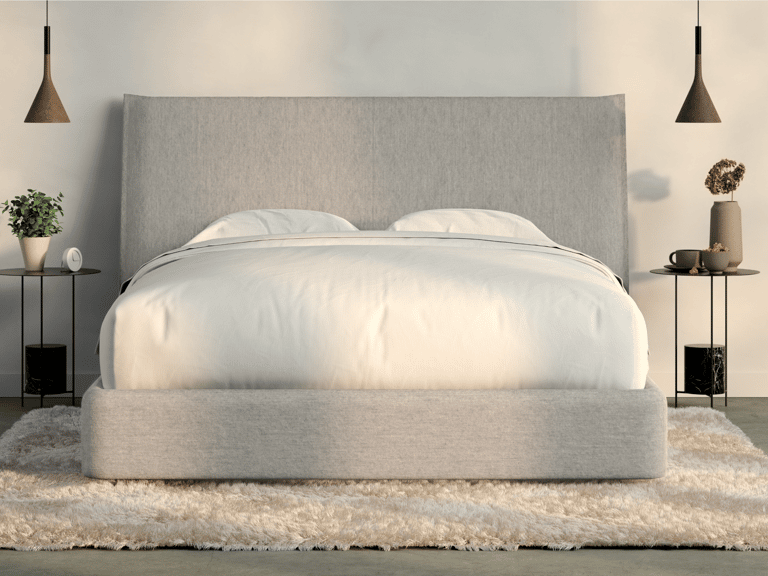
Furniture encompasses a broad range of functional and aesthetic items designed to support daily living spaces. In this category, emphasis falls on constructing comfortable, durable environments that align with ergonomic principles and long-term usability. Key considerations include material durability, finish safety, and compatibility with bedding systems such as mattresses, sheets, and pillows for optimal sleep quality.
Understand how bed frames influence sleep geometry and overall support. A solid foundation reduces motion transfer and helps maintain spinal alignment. When evaluating frames, consider support type, slat spacing, and load capacity, as these factors affect performance with different bedding configurations, including latex and organic mattresses that prioritize comfort and health.
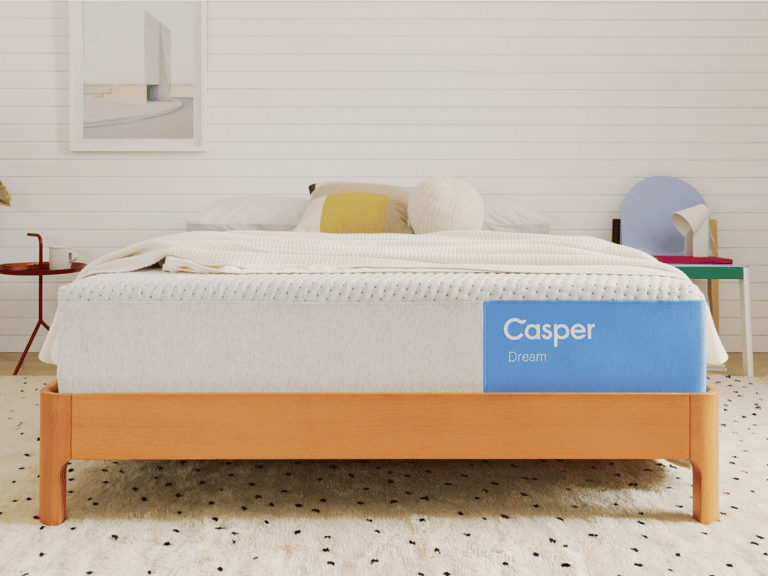
Repose Bed Frame, Haven Bed Frame, and Metal Bed Frame illustrate a spectrum of design and structural choices. Repose emphasizes sturdy wood construction and even weight distribution, enhancing stability for varied body types. Haven offers a sleeker profile with reinforced joints, while Metal Bed Frame focuses on lightweight resilience and ease of assembly without compromising rigidity.
Material compatibility matters for durability and hygiene. Wooden frames often pair well with organic mattresses and breathable sheets, while metal frames can feature powder coatings that resist wear and resist moisture intrusion. Consider frame height, headboard compatibility, and under-bed clearance to ensure bedding components like sheets and pillows remain accessible and tidy.
In the broader context of home interiors, these furniture elements support restful sleep environments while aligning with ergonomic and health-conscious bedding choices. When selecting a frame, evaluate compatibility with latex or other specialty mattresses, the ease of maintenance, and how the design integrates with room layout and storage considerations for a functional bedroom ecosystem.
 Furniture